How to Get Enough Fiber on a Low-Lectin Diet When Vegetables Cause Digestive Problems
Getting enough dietary fiber can become surprisingly difficult when vegetables are among the foods causing digestive discomfort.

Getting enough dietary fiber can become surprisingly difficult when vegetables are among the foods causing digestive discomfort.
Your intestines are lined with millions of cells that work constantly to protect your body. These cells help absorb nutrients, maintain a protective barrier, and communicate with your immune system.
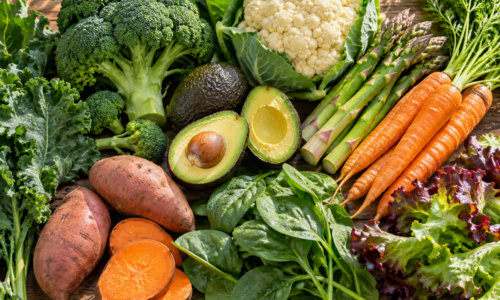
A dinner of roasted chicken, asparagus, and sweet potatoes provides something your body needs every day: protein for maintaining and repairing tissues, along with carbohydrates, fiber, vitamins, and minerals.
A craving for bread, potatoes, pasta, or something warm and starchy can become surprisingly persistent after switching to a low-lectin diet.
A person can eat carefully selected foods, drink adequate water, and still struggle with constipation, bloating, or the uncomfortable sensation that a bowel movement never quite finishes.
A low-lectin eating pattern can feel surprisingly good when it removes foods that have been difficult to tolerate, yet a digestive problem sometimes appears after the transition
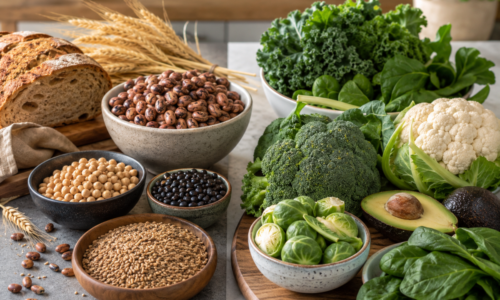
A lot of people hear “low-lectin” and immediately picture a sad plate. No beans. No whole wheat. No tomatoes. No big grain bowls. From the outside, it can look like fiber has been kicked out of the kitchen along with the lectins.