Low-Lectin Pantry Staples Most People Overlook
For many people exploring a low-lectin lifestyle, the first stage of the journey is often defined by restriction. Foods are removed from the kitchen.

For many people exploring a low-lectin lifestyle, the first stage of the journey is often defined by restriction. Foods are removed from the kitchen.
Batch cooking has become one of the most powerful tools for people trying to improve their health through diet. Preparing food in advance saves time, reduces stress around meals, and helps maintain consistency.
The journey toward a low-lectin lifestyle often begins with a question that seems deceptively simple: what can I actually eat? Many people who begin learning about lectins discover that a surprising number of everyday foods contain them.
Comfort food has a way of anchoring us. The aromas that drift through the kitchen while something warm simmers on the stove can instantly connect us to memories of family dinners, favorite restaurants, or meals that simply made us feel better after a long day.
A low-lectin dessert that shows how simple ingredients can work with your body. Dessert is often the place where people feel the most conflicted when they begin exploring a low-lectin lifestyle. Sweet foods are comforting.
Few salads are as recognizable as the Caesar. Crisp romaine leaves, a creamy dressing with lemon and garlic, salty anchovies, and crunchy croutons create a combination that has survived nearly a century of culinary trends.
When people first begin exploring the role lectins may play in digestion, inflammation, and overall health, one of the most common questions is surprisingly simple.
Eggs have always held a special place in the kitchen. They are simple, familiar, and deeply woven into food culture across the world.
Few foods carry the cultural weight of a good burger. It is a meal that crosses continents and generations. Backyard grills, roadside diners, late-night kitchens, and family gatherings all seem to have their own version.
The first time many people begin exploring a low-lectin lifestyle, the grocery list can feel like a puzzle. Foods that were once considered nutritional staples suddenly require a second look.
Modern nutrition conversations often focus on what people should remove from their diets. Sugar, refined grains, seed oils, and ultra-processed foods tend to dominate the discussion.
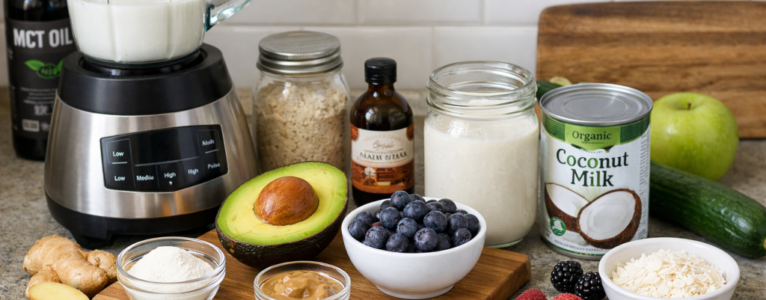
Smoothies have earned a reputation as one of the simplest ways to improve a diet. They are quick, customizable, and easy to digest. For many people, a blender has become the modern shortcut to eating more whole foods.
There is a certain kind of comfort that comes from a golden crust. Not the heavy, bready kind that leaves you feeling like you need a nap on the couch.
When people begin researching lectins, they often encounter bold claims backed by dramatic laboratory findings. A rat develops intestinal damage after being fed a purified plant protein.
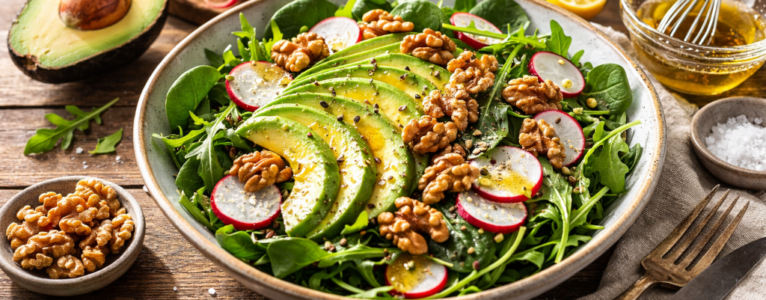
There is something almost rebellious about building a meal around simplicity. In a world where food labels stretch for paragraphs and convenience often replaces craftsmanship, a bowl of greens topped with avocado and walnuts can feel almost radical.