Why Some Lectins Are Heat-Stable
For decades, cooking has been treated as the great equalizer of plant foods. Heat, we’re told, neutralizes harmful compounds, makes foods safer to eat, and improves digestibility.

For decades, cooking has been treated as the great equalizer of plant foods. Heat, we’re told, neutralizes harmful compounds, makes foods safer to eat, and improves digestibility.
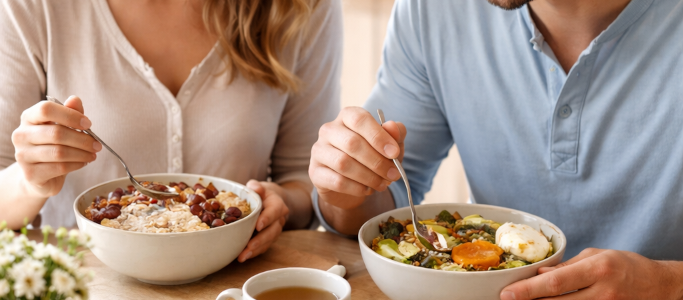
Breakfast is often treated as a mechanical event. Eat something fast, get calories in, move on with the day.
There is something deeply reassuring about a clean label. A short ingredient list feels honest. Familiar words feel safe.
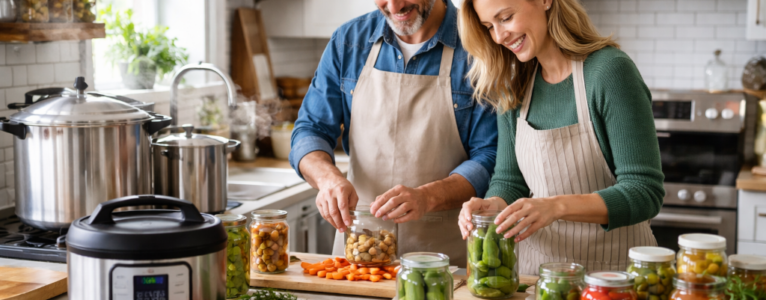
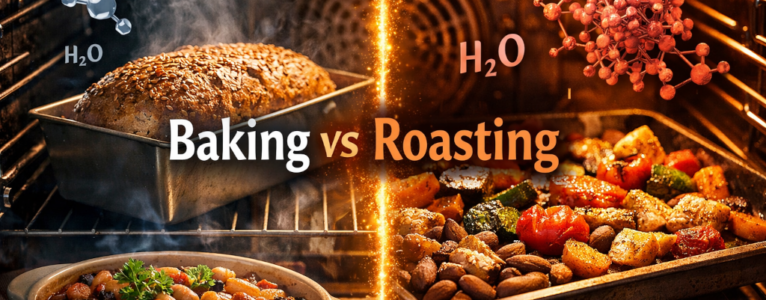
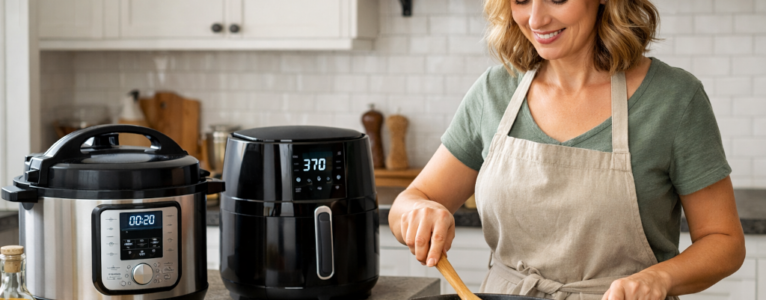
For anyone exploring a low-lectin way of eating, cooking methods quickly become more than a culinary preference.
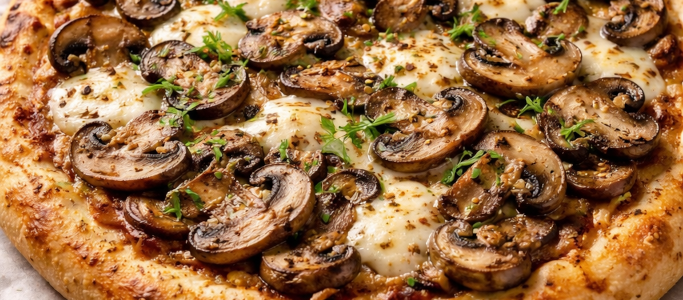
Pizza is one of those foods that lives at the crossroads of culture, comfort, and convenience.
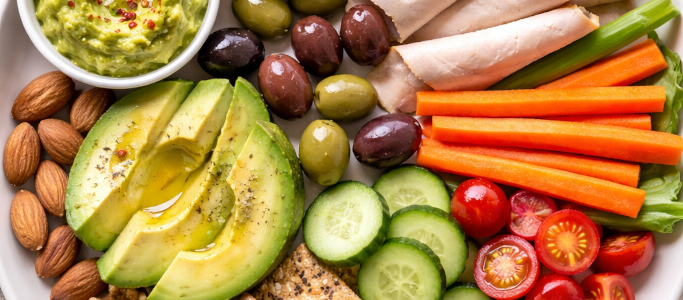
Long days have a way of exposing the weak points in our eating habits. Skipped meals turn into frantic snacking.
Lectins sit in an uncomfortable space between nutrition, immunology, and everyday lived experience.
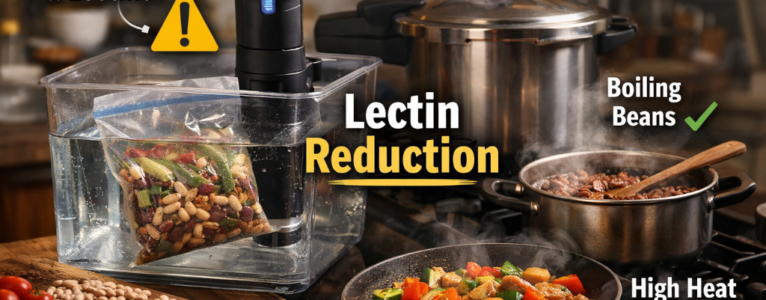
Sous-vide cooking has earned a reputation as one of the most precise and gentle ways to prepare food.
When people hear the word lectins, they usually think about human nutrition. Lectins are often discussed in the context of grains, legumes, and vegetables and how they interact with digestion and immune function.
When people begin paying attention to lectins, cooking quickly becomes part of the conversation. It is not just what you eat, but how you prepare it.