
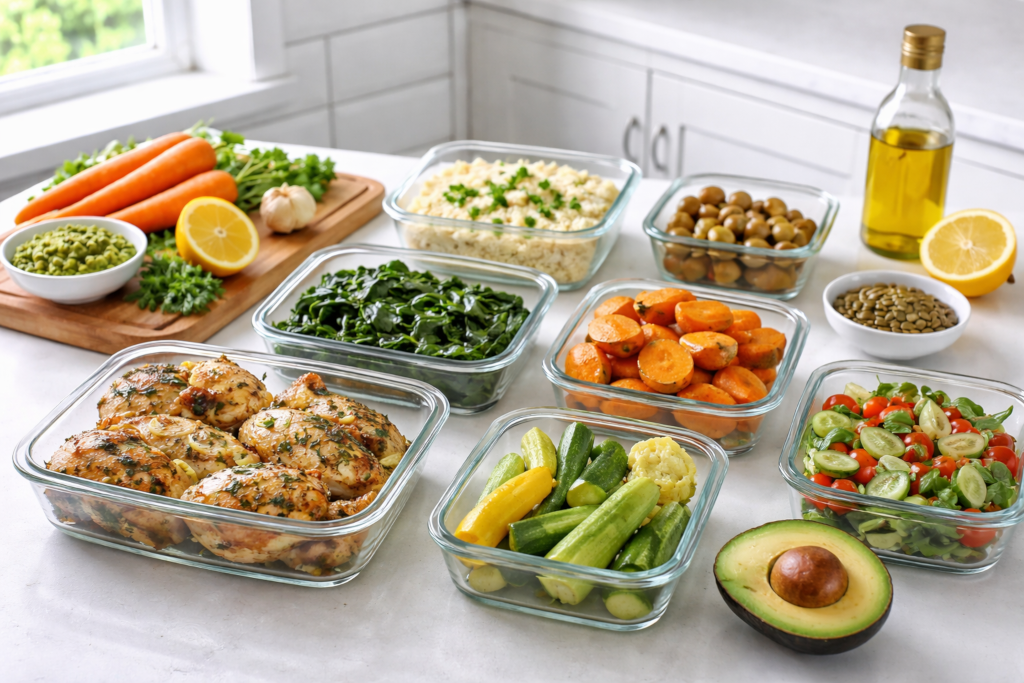
For many people, meal prep begins as a time-saving strategy. Cook once, eat all week, reduce stress, and stay on track. But when you step into the world of low-lectin eating, meal prep becomes something deeper. It is not just about efficiency. It becomes a deliberate act of protecting your digestion, reducing inflammatory triggers, and giving your body a consistent environment to heal.
Lectins are naturally occurring proteins found in many plant foods, particularly in beans, grains, nightshades, and certain seeds. While not all lectins are harmful in every context, modern food processing and preparation habits often leave them more active than traditional methods would. That means your weekly meal prep is not just about what you cook, but how you prepare it.
A low-lectin meal prep routine does not require perfection. It requires awareness and a rhythm that works for your life. Once you understand how to structure your week, choose ingredients, and prepare foods in a lectin-conscious way, you can build a system that feels sustainable instead of restrictive.
Building a Weekly Foundation That Supports Digestion
The most effective low-lectin meal prep plans start with a simple idea. You are not preparing seven completely different meals. You are creating a foundation of components that can be combined in different ways throughout the week.
Think in terms of building blocks rather than finished dishes. A well-prepped week might include a roasted protein, a slow-cooked or pressure-cooked dish, a batch of safe vegetables, and a few fresh elements that can be assembled quickly. This approach keeps variety high without requiring constant cooking.
Protein is usually the anchor. Pasture-raised chicken thighs, grass-fed beef, wild-caught fish, or omega-3 rich eggs all work well. Cooking these in bulk gives you flexibility. A tray of roasted chicken can become a warm dinner one night, a salad topping the next day, and part of a quick sauté later in the week.
Vegetables require a bit more attention because lectin content varies widely. Peeling and deseeding are simple but powerful techniques. For example, zucchini becomes more digestible when the seeds are removed. Pressure cooking or roasting at high heat can also help reduce lectin activity while improving texture and flavor.
Healthy fats are another essential component. Olive oil, avocado oil, and certain animal fats not only support satiety but also help stabilize blood sugar throughout the day. Including these consistently in your meal prep helps prevent the energy crashes that often lead people back to processed foods.
What you are really doing here is creating predictability for your body. When your meals are consistent in quality and preparation, your digestive system does not have to constantly adapt. That consistency is where many people begin to notice improvements in bloating, energy levels, and overall comfort.
A Practical Week of Low-Lectin Meal Prep
Imagine starting your week with a few hours in the kitchen, not to create a rigid menu, but to prepare versatile foods that can evolve over several days.
You might begin by roasting a tray of pasture-raised chicken thighs seasoned with garlic, thyme, and olive oil. At the same time, a pressure cooker could be working on a batch of peeled and deseeded vegetables, such as carrots and squash, cooked until tender and easy to digest.
On the stovetop, you might sauté a mix of leafy greens like spinach or Swiss chard in olive oil with a bit of sea salt. These greens hold up well in the refrigerator and can be reheated without losing their structure.
By the time you are done, your refrigerator is not filled with identical containers labeled Monday through Sunday. Instead, you have a collection of ingredients that can be combined in different ways.
On one day, you might assemble a bowl with roasted chicken, sautéed greens, and a drizzle of olive oil. The next day, that same chicken could be sliced and served over a warm vegetable mash with fresh herbs. Later in the week, you might toss everything into a quick skillet meal with a new seasoning profile, creating something that feels entirely different.
Breakfast can follow a similar philosophy. Instead of starting from scratch each morning, you can prepare a base such as hard-boiled eggs or a simple egg bake made with low-lectin vegetables. Pairing this with avocado or a small portion of fruit gives you a balanced start without relying on high-lectin grains.
Lunch often becomes the easiest meal once your prep is in place. Leftovers transform into intentional meals rather than last-minute solutions. A simple salad made with prepped protein and vegetables can be assembled in minutes, especially when you have a homemade dressing ready to go.
Dinner then becomes less about cooking and more about assembling. This shift is subtle but powerful. It reduces decision fatigue, which is one of the most common reasons people abandon dietary changes.
Techniques That Make Low-Lectin Prep Sustainable
What separates a short-lived diet from a lasting lifestyle is not discipline. It is the ability to make the process manageable.
One of the most important techniques in low-lectin meal prep is understanding when to use traditional cooking methods and when to rely on modern tools. Pressure cooking is especially valuable for breaking down lectins in certain foods, making them more tolerable. While many high-lectin foods are avoided altogether, this technique allows for occasional flexibility when used correctly.
Peeling and deseeding should become second nature. It might feel like an extra step at first, but it quickly becomes part of your rhythm. The difference in digestibility can be significant, especially for people who are sensitive to lectins.
Fermentation is another tool worth exploring. While it is not required for weekly meal prep, incorporating fermented foods like sauerkraut can support gut health and add variety to your meals. The fermentation process can reduce certain anti-nutrients while introducing beneficial bacteria.
Storage also plays a role in how successful your week will be. Glass containers tend to preserve flavor and texture better than plastic, and they make reheating more straightforward. Keeping foods in separate components rather than fully assembled meals helps maintain freshness and prevents everything from tasting the same by midweek.
Perhaps the most overlooked technique is pacing yourself. You do not need to prepare everything in one session. Some people prefer a split approach, prepping proteins and vegetables at the start of the week and refreshing certain elements midweek. This keeps meals feeling vibrant rather than repetitive.
One of the concerns people often have is boredom. Eating the same foods repeatedly can feel limiting, especially when you are avoiding common staples like beans, grains, and nightshades.
The solution is not to constantly introduce new ingredients. It is to change how you use the ones you already trust.
Seasonings and cooking methods can dramatically shift the flavor profile of a meal. A simple chicken dish can feel entirely different when paired with lemon and herbs one day, and garlic and olive oil the next. Roasting vegetables brings out sweetness, while sautéing creates a more savory depth.
Texture also matters more than people realize. Combining soft, slow-cooked vegetables with crisp, freshly prepared elements creates a more satisfying experience. Adding something as simple as a handful of arugula or a squeeze of fresh citrus can transform a meal that might otherwise feel heavy.
It is also helpful to think beyond traditional meal categories. Breakfast does not have to be separate from lunch or dinner in terms of ingredients. Many people find that eating a protein and vegetable based meal in the morning stabilizes their energy far more effectively than a carbohydrate-heavy breakfast.
By allowing your meals to overlap in this way, you reduce the need for constant variety while still keeping your palate engaged.
Listening to Your Body Throughout the Week
Even with the best meal prep plan, your body will give you feedback. That feedback is one of the most valuable tools you have.
Some people find that certain foods, even when prepared in a low-lectin way, still cause discomfort. This is where personalization becomes essential. Keeping a simple mental note of how you feel after meals can help you refine your approach over time.
Energy levels are often the first indicator. A well-structured low-lectin meal plan tends to produce more stable energy throughout the day. If you notice dips or cravings, it may be a sign that your meals need more fat, more protein, or better balance.
Digestion is another key signal. Reduced bloating, more consistent digestion, and a general sense of lightness after meals are common benefits when lectin exposure is managed effectively.
It is important to approach this process with curiosity rather than strict rules. The goal is not to eliminate every possible lectin, but to find a balance that supports your health while still allowing you to enjoy your food.
Turning Meal Prep Into a Lifestyle, Not a Chore
At its core, low-lectin meal prep is about creating an environment where your body can function optimally without constant interference from difficult-to-digest compounds. It is not about restriction. It is about intention.
When you shift your perspective from cooking meals to building a system, everything becomes easier. You are no longer asking yourself what to eat every day. You are simply choosing how to combine what you have already prepared.
Over time, this approach becomes second nature. You begin to recognize which foods make you feel your best and which techniques work for your schedule. The kitchen becomes less of a place of stress and more of a place of control and creativity.
The real success of a full week of low-lectin eating is not measured by how perfectly you follow a plan. It is measured by how sustainable the process feels. When your meals support your digestion, your energy, and your overall well-being, consistency follows naturally.
And that is where the real transformation happens.