Converting Ingredients from Comfort Food Classics to Low-Lectin
Comfort food is rarely just about food. It is memory, routine, family, weather, stress relief, and the kind of meal that tells your nervous system, “You can relax now.”

Comfort food is rarely just about food. It is memory, routine, family, weather, stress relief, and the kind of meal that tells your nervous system, “You can relax now.”
A low-lectin lifestyle becomes much easier when your pantry quietly supports you before hunger starts making decisions.
There is a quiet moment many people reach in a low-lectin lifestyle where they begin to wonder whether they are doing something wrong. They were eating carefully. They were choosing familiar foods.
There is a quiet kind of pressure that can sneak into any wellness lifestyle, especially one as detail-oriented as low-lectin eating. At first, it feels motivating.
There are days when eating low-lectin feels simple. You have your ingredients ready, your meals planned, and enough energy to cook something colorful and satisfying.
For many people starting a low-lectin lifestyle, flour is one of the first kitchen questions that feels bigger than expected.
One of the most frustrating parts of navigating a low-lectin lifestyle is that the body does not always respond on a neat little schedule.
Walk into almost any modern health conversation and you will eventually hear someone mention MCT oil.
When people first begin adjusting to a low lectin lifestyle, their focus tends to land on the obvious. They look at breads, grains, legumes, and nightshades, and start making substitutions.
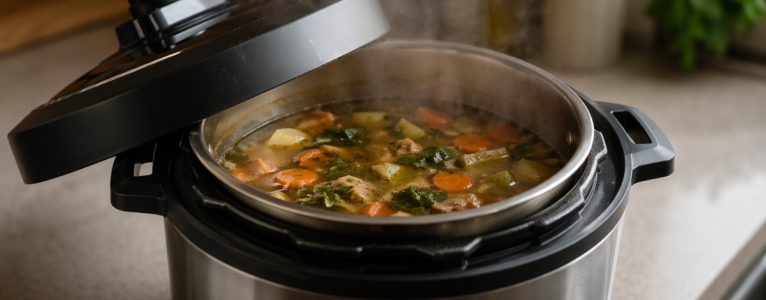
There is something deeply reassuring about a warm bowl of soup or stew. It slows you down, invites you to sit, and delivers nourishment in a way that feels both simple and complete.
It often starts with a familiar suspicion. A meal that seemed perfectly fine yesterday suddenly feels like a problem today.
Most people think of stress as something that lives in the mind. A tight deadline, a difficult conversation, or a restless night can all feel like purely mental experiences.
Travel has a way of exposing every assumption we make about food. At home, you control your kitchen, your ingredients, and your routine. On the road, that control softens.
Most people think about inflammation in terms of food, stress, or illness. Those are important pieces of the puzzle, but there is another influence that works quietly in the background every single day.
There is something deeply satisfying about a bowl of gnocchi. It is soft, pillowy, and comforting in a way that feels both rustic and indulgent.