Why Over-Exercising Can Stall Healing
There is a powerful belief in modern health culture that more effort always leads to better results. Push harder. Train longer. Sweat more. For many people, exercise becomes a symbol of discipline and progress.

There is a powerful belief in modern health culture that more effort always leads to better results. Push harder. Train longer. Sweat more. For many people, exercise becomes a symbol of discipline and progress.
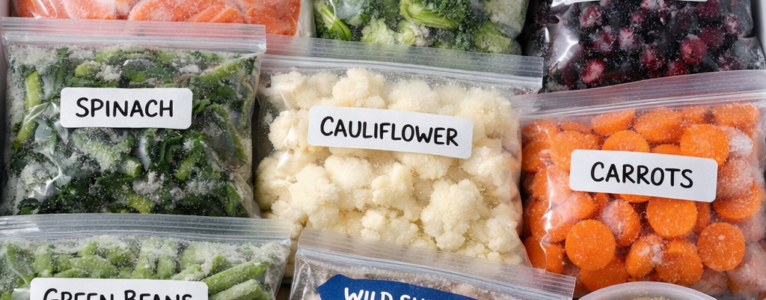
For many people trying to reduce lectins in their diet, the freezer aisle feels like a minefield.
There is a quiet moment that happens when you begin to understand how food affects your body. It is not dramatic. It does not come with a warning label or a flashing sign. It is subtle.
There is something deeply grounding about a pot of stew simmering in the kitchen.
When people begin exploring digestive health, they often focus on the obvious suspects. Gluten, sugar, processed foods, and sometimes lectins take center stage.
When people begin exploring digestive health, especially through the lens of lectins and food sensitivity, they often focus on what they eat. Ingredients, sourcing, preparation methods, and cooking techniques take center stage.
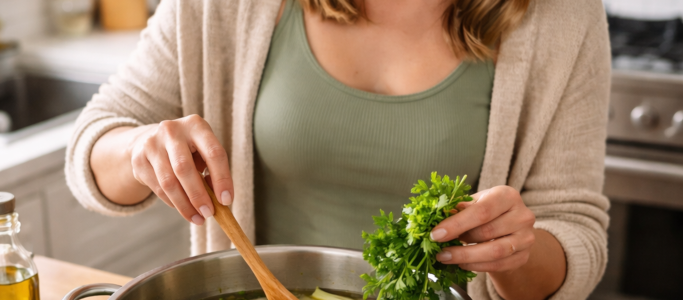
There is something almost instinctive about a simmering pot of broth. Long before nutrition labels and ingredient panels, people understood that slow-cooked bones, vegetables, and herbs created something deeply nourishing.
When people first begin exploring a low-lectin lifestyle, their attention is usually drawn to the obvious culprits. Beans, grains, nightshades, seeds.
There is something deeply intuitive about the idea that food closer to its natural state tends to support the body more effectively. This idea shows up again and again when people begin exploring a low-lectin lifestyle.
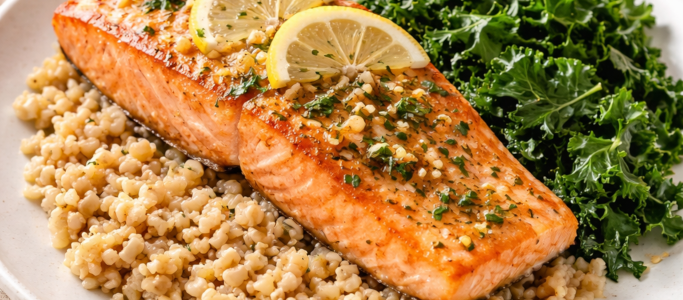
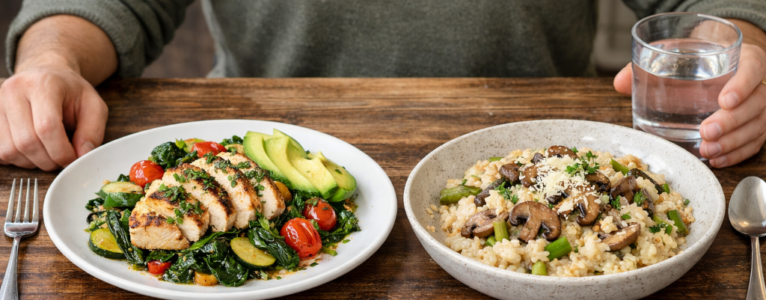
There is something quietly powerful about a simple plate of food done right. Not complicated. Not overbuilt. Just clean ingredients, prepared thoughtfully, and layered in a way that respects both flavor and function.
There is a moment that often gets overlooked in conversations about food. It is not the first grocery trip, not the first meal cooked at home, and not even the first time you notice a symptom improve.
There is a quiet moment that happens in the kitchen when a dish comes together without effort. No complicated sauces. No long ingredient list. No second guessing.
There is something grounding about cooking a meal that feels both ancient and intentional. Mediterranean lamb chops with mint gremolata are not just a recipe.
For many people trying to improve their health through diet, the first real shift often begins with a simple realization. The foods that are supposed to be healthy do not always feel that way in the body.
When most people first hear about lectins, they immediately look for a list. What can I eat. What should I avoid. What needs to be modified. That instinct makes sense. Food lists feel concrete. They offer structure in a space that can quickly feel confusing. But a low-lectin approach is …