Brain Fog vs. Low Blood Sugar: How to Distinguish Food Reactions From Eating Too Little
Mental fog can arrive without much warning. Concentration becomes difficult, familiar tasks require more effort, and thoughts seem slower than usual.

Mental fog can arrive without much warning. Concentration becomes difficult, familiar tasks require more effort, and thoughts seem slower than usual.
A meal that should leave you comfortably satisfied can sometimes produce an uncomfortable sensation of fullness that lasts for hours.
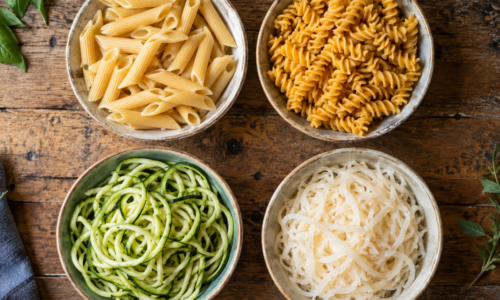
A package of gluten-free pasta can look like an ideal replacement for traditional wheat pasta. The label promises the absence of gluten, and the ingredients might include chickpeas, lentils, corn, or rice.
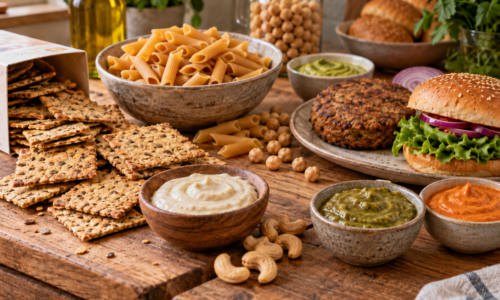
Starting a low-lectin lifestyle often changes the way people approach grocery shopping, cooking, and familiar meals.
Winter squash offers an impressive range of possibilities in a low-lectin kitchen, from roasted butternut squash and creamy pumpkin soups to spaghetti squash served with olive oil, garlic, and fresh herbs.
Long before modern food laboratories began measuring antinutrients, mineral availability, and fungal toxins, Indigenous communities in Mesoamerica had developed a method of preparing corn that fundamentally changed its nutritional and culinary properties.
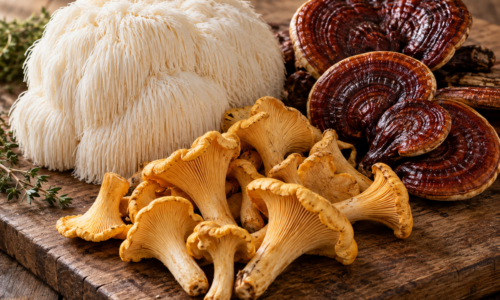
Mushrooms occupy an interesting place in the low-lectin kitchen. They offer deep, savory flavors, satisfying textures, and a range of naturally occurring compounds that have attracted considerable scientific interest.
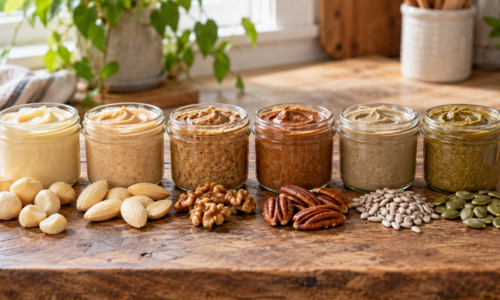
Nut and seed butters earn their place in the kitchen because they solve so many small food problems at once.
Vinegar occupies an unusual place in the kitchen. A tablespoon can brighten roasted vegetables, balance a rich dressing, sharpen a marinade, preserve food, or rescue a sauce that tastes flat.
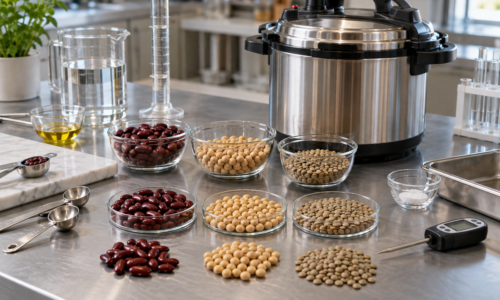
Pressure cooking is often described as a faster way to soften beans, but the more interesting story is what happens to the compounds inside those foods once heat, water, and pressure begin working together.
Citrus can occupy an awkward place in a low-lectin kitchen.
A low-lectin eating pattern can feel surprisingly good when it removes foods that have been difficult to tolerate, yet a digestive problem sometimes appears after the transition
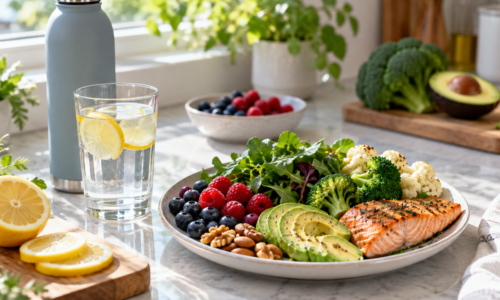
A low-lectin lifestyle usually directs the most attention toward plant foods, especially foods such as beans, certain grains, peanuts, and some seeds that can contain meaningful amounts of lectins unless they are prepared appropriately.
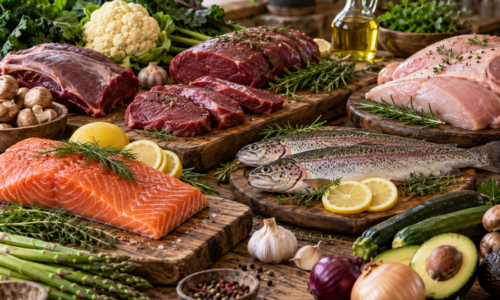
Keto and low-lectin eating can look like two restrictive diets competing for space on the same plate, but in practice they overlap more easily than their food lists might suggest.
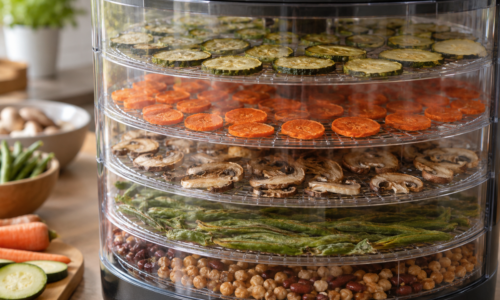
Dehydration can make food lighter, shelf-stable, portable, and intensely flavored, but those benefits come from one basic physical change: water leaves the food.