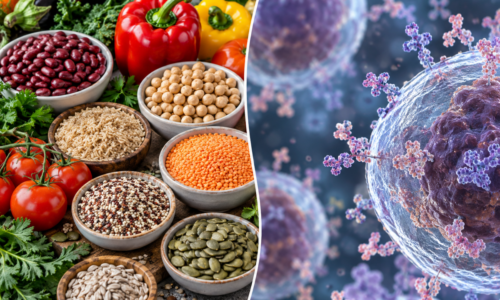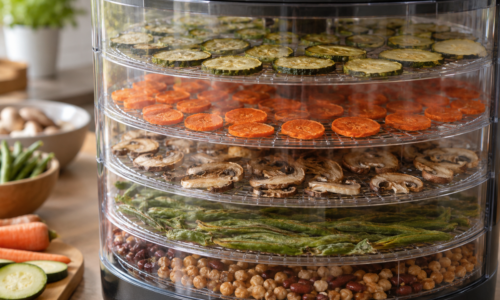
Why Dehydrating High-Lectin Foods Concentrates Rather Than Reduces Toxins
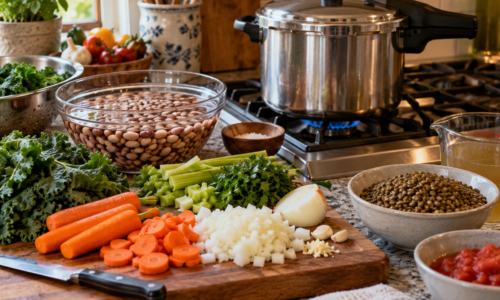
Dehydration can make food lighter, shelf-stable, portable, and intensely flavored, but those benefits come from one basic physical change: water leaves the food.

Dehydration can make food lighter, shelf-stable, portable, and intensely flavored, but those benefits come from one basic physical change: water leaves the food.
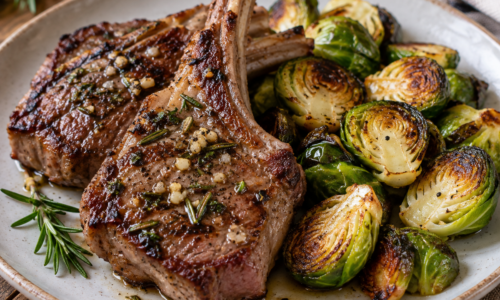
A plate of rosemary-garlic lamb chops beside crisp roasted Brussels sprouts is the kind of meal that works well for low-lectin eating because the ingredients are simple, the cooking methods are direct, and there is very little need for specialty substitutes.
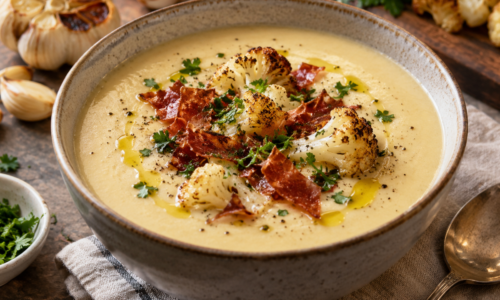
A bowl of cauliflower soup can be simple enough for a weeknight and still feel like something you would order at a small neighborhood restaurant.
For anyone following a low-lectin lifestyle, the word “lectin” usually brings food to mind. There is another side of lectin biology that rarely enters the dietary conversation.
A plate of seared scallops over a smooth root vegetable puree has the kind of simplicity that makes each ingredient matter.
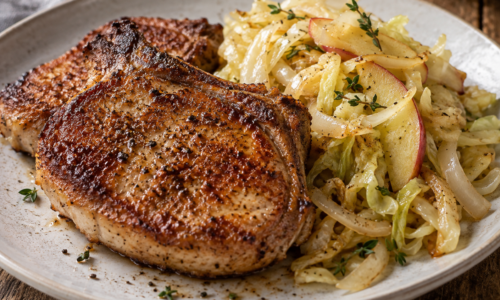
A good weeknight pork chop needs contrast.
A sheet pan dinner earns its place in regular meal rotation by doing several things well at once.
For people who pay attention to lectins, one of the most practical questions is also one of the hardest to answer: after eating a lectin-containing food, how long does that lectin remain in the body?
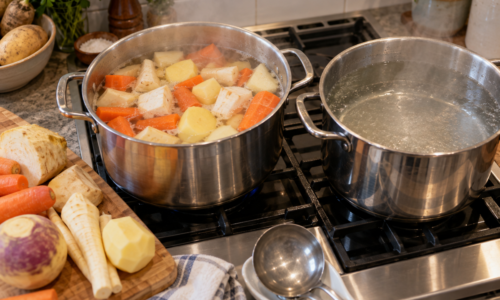
A pot of carrots, parsnips, potatoes, or other root vegetables usually seems simple enough. Add water, simmer until tender, drain, season, and serve.
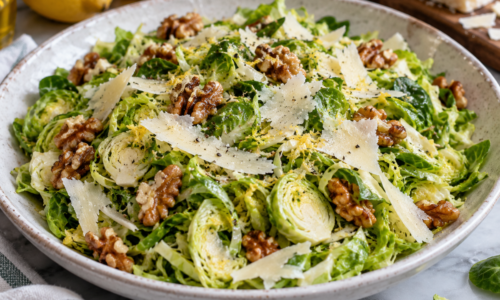
Brussels sprouts are usually associated with roasting pans, browned edges, and cool-weather dinners, but shaving them into thin ribbons changes the vegetable completely.
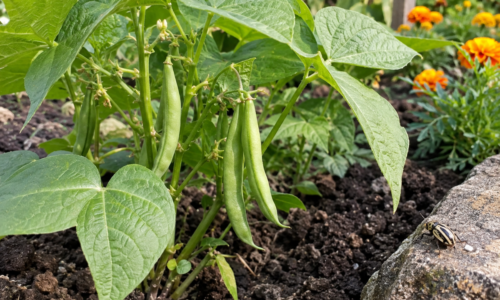
A leaf standing in a field is food to something. Beetles chew it, aphids tap into its sap, caterpillars strip away tissue, and larvae may spend their entire development feeding inside seeds.
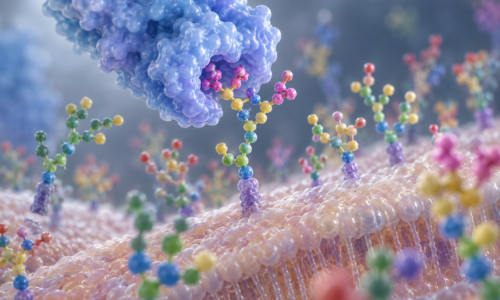
Lectins are often discussed as though they simply “stick to cells,” but that shorthand leaves out the part that makes these proteins biologically interesting.
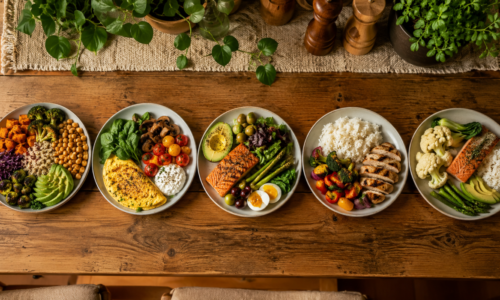
Five people can sit down at the same restaurant table, study the same menu, and be following five completely different sets of food rules.
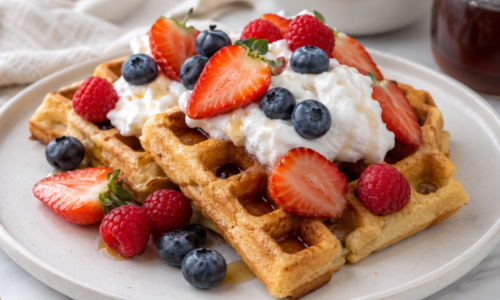
A good waffle should make breakfast feel a little special without turning the morning into a baking project.
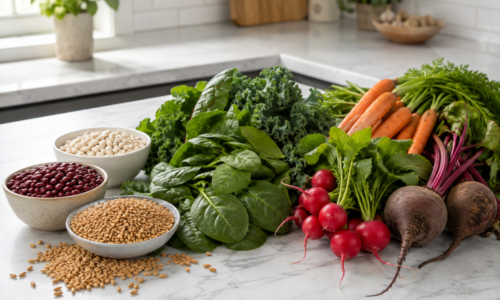
A kidney bean, a spinach leaf, and a carrot root may all come from plants, but the proteins inside them are distributed very differently.